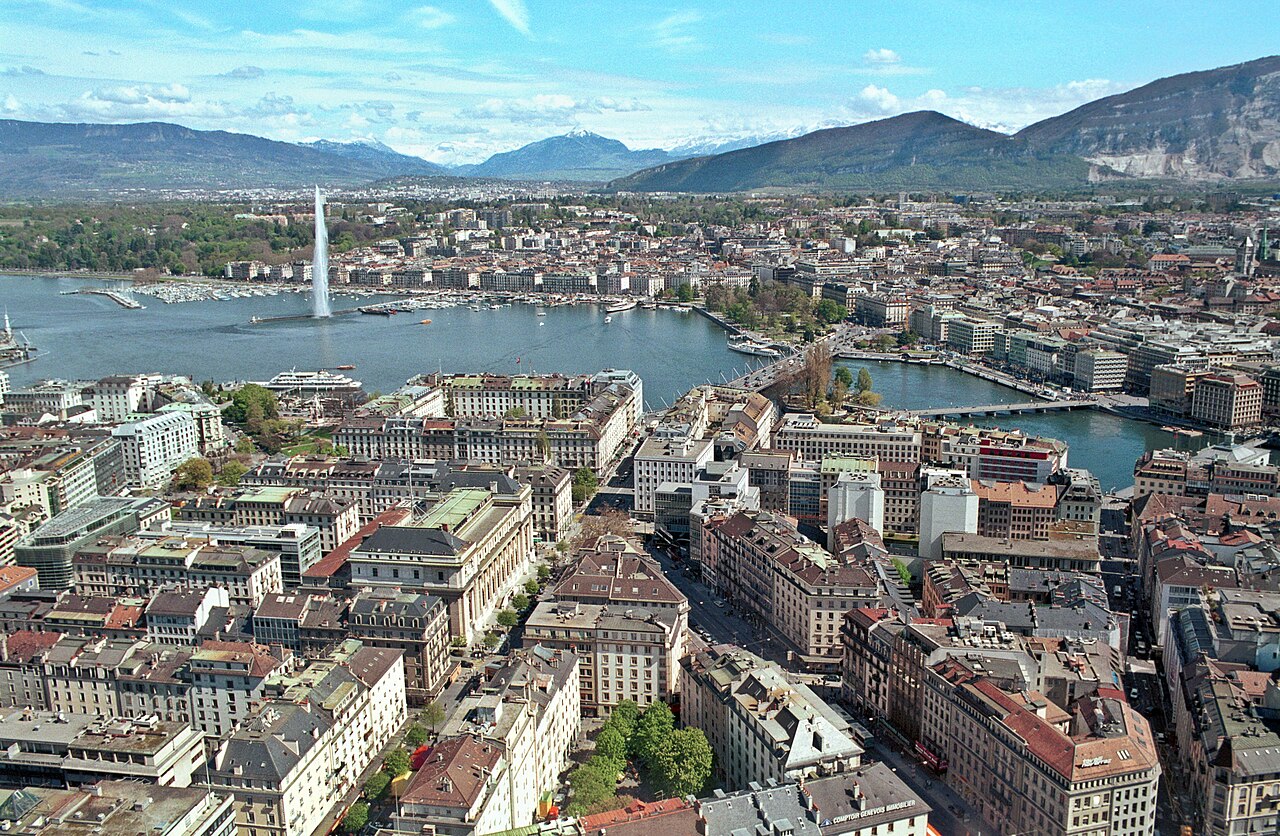
Cosmetic Dentistry in Geneva: Complete Guide 2026
From single-tooth bonding to full Hollywood-smile transformations, cosmetic dentistry in Geneva blends Swiss precision with the latest digital workflow. This guide walks you through every treatment option, the materials used, real 2026 prices in Swiss francs, how Digital Smile Design previews your result before treatment, and how to choose a clinician who delivers natural-looking work that lasts. Whether you live in Champel or you have flown in for a consultation, you will leave with a clear plan, realistic expectations, and the questions you need to ask any dentist before sitting in the chair.
What Is Cosmetic Dentistry?
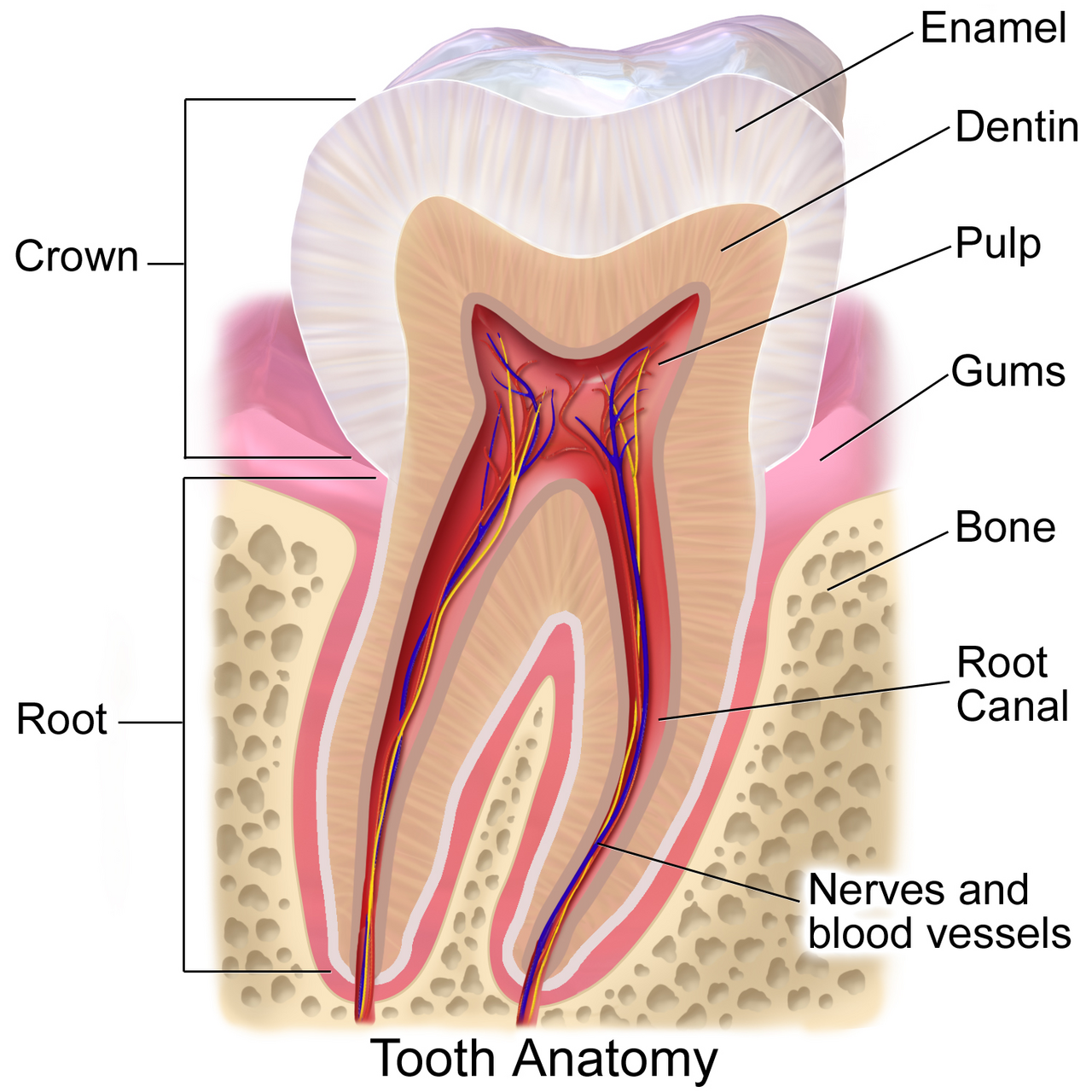
Cosmetic dentistry is the branch of dental practice focused on improving the appearance of teeth, gums and the overall smile. Unlike general or restorative dentistry -- which exists primarily to treat disease and restore function -- cosmetic procedures aim to enhance colour, shape, alignment, position and proportion. The line between cosmetic and restorative work blurs in modern practice: a porcelain crown that replaces a fractured molar is restorative, but the same crown placed on a discoloured front tooth is cosmetic. The materials, the lab work and the price tag are usually identical.
The discipline as we know it today was born in the United States in the 1980s with the introduction of acid-etch composite bonding and feldspathic porcelain veneers. Geneva clinics adopted these techniques in the early 1990s, and Switzerland has since become one of the most concentrated markets in the world for high-end aesthetic dentistry, with more than 350 cosmetic-focused practices in the canton alone. According to Wikipedia, the global cosmetic dentistry market is now valued at over USD 30 billion and growing at roughly 7% per year.
Modern cosmetic dentistry combines art and engineering. The dentist must understand facial proportions, lip dynamics, the golden ratio of tooth width, the colour temperature of natural enamel and the way light passes through different ceramic materials. A good cosmetic result is one nobody notices -- the smile looks better, but no observer can tell why. That is the standard you should expect from any clinic in Geneva.
Services Offered in Geneva
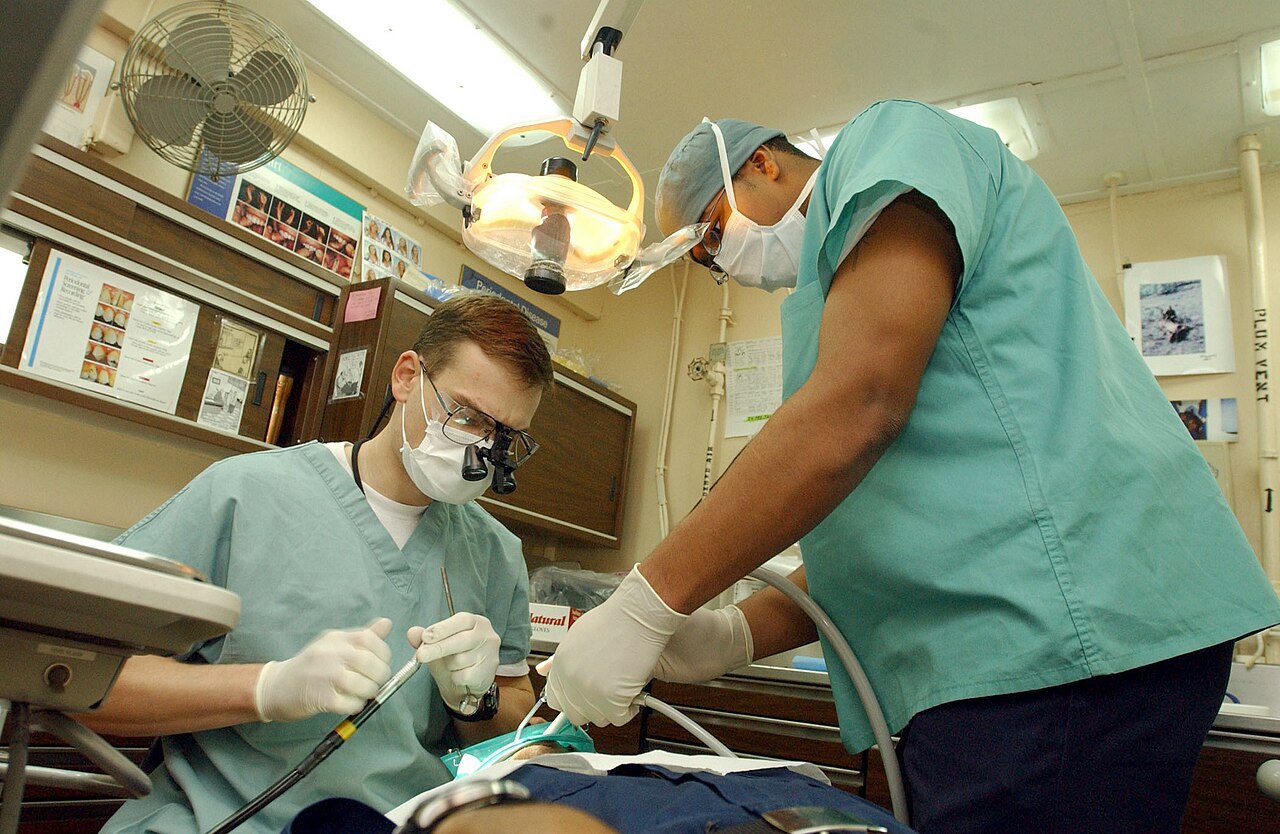
Geneva clinics typically offer a complete cosmetic menu, from low-cost touch-ups to full mouth rehabilitation. Below is a breakdown of the eight most-requested treatments and what each one actually involves.
1. Professional teeth whitening
In-office whitening lifts tooth shade by an average of 6 to 8 shades on the VITA scale in a single 90-minute session. Geneva clinics use Philips Zoom!, Opalescence Boost or BriteSmile -- all hydrogen peroxide gels activated by LED light. Take-home trays with 10 to 16% carbamide peroxide are usually included for touch-ups. Results last 1 to 3 years depending on diet (coffee, red wine and tobacco are the main offenders).
2. Porcelain veneers
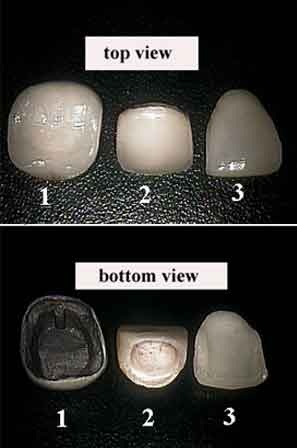
Thin porcelain shells (0.3 to 0.7 mm thick) bonded to the front of teeth to mask discolouration, chips, gaps and minor misalignment. The dentist removes a sliver of enamel, takes a digital impression, sends it to a laboratory, and bonds the veneers two to three weeks later. A skilled lab can match the translucency of natural enamel so well that even other dentists cannot detect the work.
3. Composite (direct) bonding
Tooth-coloured composite resin sculpted directly onto the tooth and cured with a blue light. Bonding is the fastest cosmetic treatment -- a chipped front tooth can be repaired in 30 to 45 minutes for CHF 300 to CHF 500. It also requires no enamel removal, making it fully reversible. The trade-off is durability: composite stains over time and lasts 5 to 8 years before needing replacement.
4. Crowns (full-coverage)
When a tooth is heavily damaged, root-canal-treated or already restored, a full crown covers the entire visible portion. Modern crowns are made from monolithic zirconia or lithium disilicate (e.max) and can match adjacent teeth perfectly. Expect to pay CHF 1,200 to CHF 2,500 per crown in Geneva.
5. Gum contouring (gingivectomy)
Many smiles look short or "gummy" because the gum line sits too low on the teeth. A diode laser or scalpel removes 1 to 3 mm of excess gum tissue, exposing more of the natural tooth and rebalancing the smile. Healing takes 7 to 14 days. Often combined with crown lengthening when bone is also reshaped.
6. Smile makeover (multi-treatment plan)
A combination of two or more treatments planned together to transform the entire smile. A typical Geneva smile makeover includes whitening + 6 to 10 veneers + gum contouring, sometimes preceded by short Invisalign treatment to correct alignment. Total budget usually CHF 8,000 to CHF 25,000.
7. Invisalign clear aligners
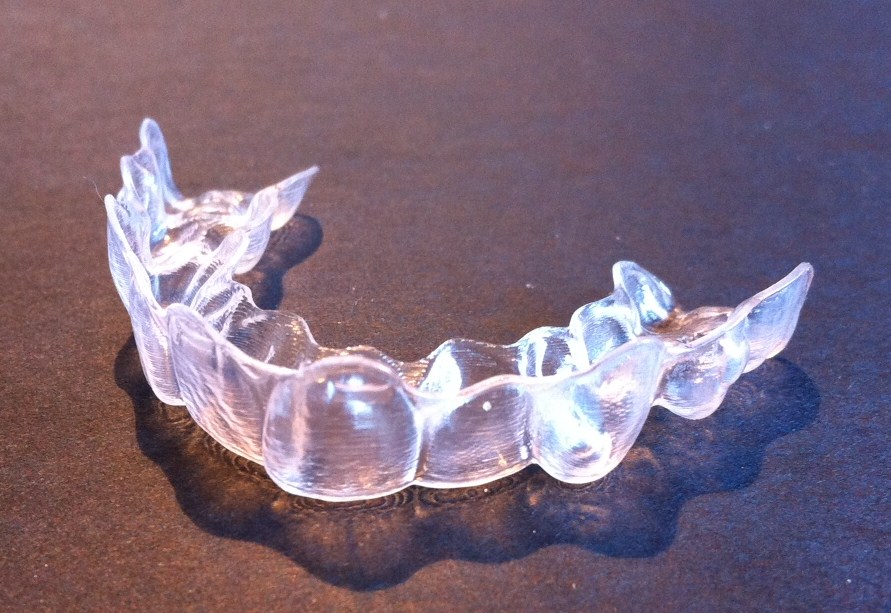
Although technically orthodontic, Invisalign is widely used in Geneva as a cosmetic tool to correct mild crowding or spacing before veneers, or as a stand-alone treatment for adults who want straighter teeth without metal braces. A 3D scan generates a series of custom aligners worn 22 hours per day for 6 to 24 months.
8. Dental implants for aesthetics
When a front tooth is missing or beyond repair, a single titanium implant with a custom zirconia crown delivers a permanent, natural-looking replacement. The challenge for cosmetic implant dentistry is the gum architecture -- a poorly placed implant looks too long or shows a grey line. Look for clinics that use guided surgery, immediate provisionalisation and custom abutments.
Hollywood Smile vs Natural Look
The first conversation with any cosmetic dentist should be about style. Two patients with identical teeth can want completely different results. Broadly there are two schools.
The Hollywood smile is bright (BL1 to BL3 on the VITA bleach scale), uniform, perfectly symmetrical, with squared central incisors and no visible irregularities. It is the look popularised by US celebrity dentists and reproduced thousands of times in Beverly Hills, Istanbul and Dubai. It photographs spectacularly under studio lighting but can look obviously artificial in person -- particularly in mature patients whose surrounding facial features no longer match such a youthful smile.
The natural European smile -- favoured in Geneva, Milan, Zurich and Munich -- aims for a brighter, healthier version of the patient's own teeth, not a generic ideal. Slight asymmetry is preserved; characterful features (small grooves, subtle translucency at the edges, individual tooth length variation) are deliberately recreated in the porcelain. The shade is usually one to two steps brighter than what the patient started with, never the maximum BL1.
| Aspect | Hollywood | Natural European |
|---|---|---|
| Shade | BL1 to BL3 (very white) | A1 to B1 (bright but realistic) |
| Symmetry | Perfectly mirrored | Slight natural asymmetry preserved |
| Tooth shape | Squared, uniform | Subtly individualised |
| Translucency | Low (opaque) | High (mimics enamel) |
| Best for | Younger patients, public-facing professions | All ages, discreet enhancement |
| Detection by others | Often noticed | Almost never noticed |
Neither approach is wrong -- it is a matter of personal preference and lifestyle. A skilled Geneva clinician will show you photographs of both styles, listen to what you want, and recommend the option that fits your facial features and your profession. If a dentist refuses to discuss this distinction, walk away.
Materials: Porcelain, Composite, Zirconia, e.max
The material a dentist chooses determines how the restoration looks, how long it lasts and how much it costs. There are four main families.
Feldspathic porcelain
The original cosmetic ceramic, hand-stacked layer by layer by a master ceramist on a refractory die. Provides the highest aesthetic quality -- subtle translucency, chromatic variation and depth that machine-milled materials struggle to match. Used almost exclusively for ultra-thin veneers (0.3 mm) on patients who demand the finest result. Requires a highly skilled lab; very few clinics in Switzerland still offer it. Expect CHF 1,200 to CHF 1,800 per veneer.
Lithium disilicate (IPS e.max)
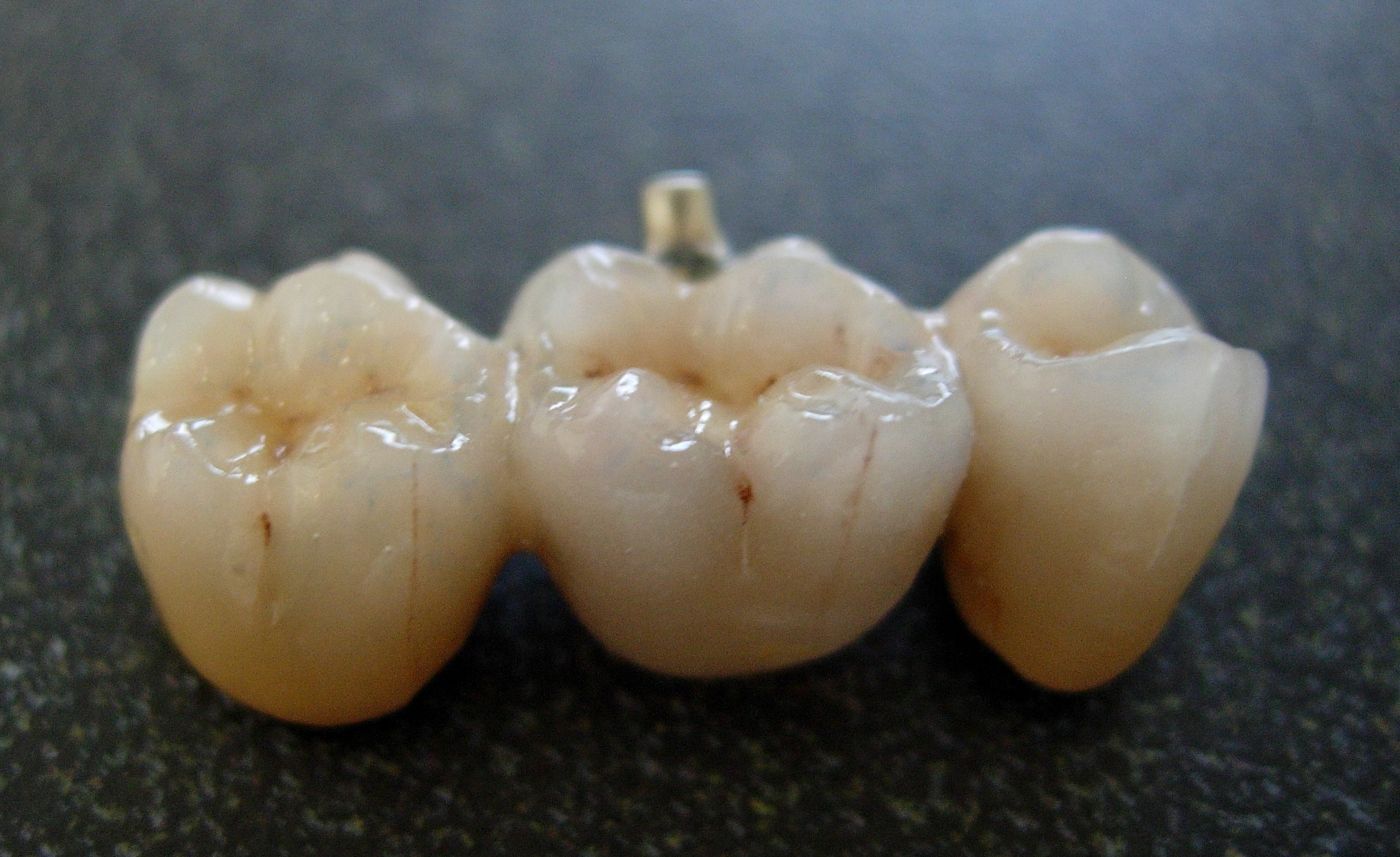
Developed by Ivoclar Vivadent in Schaan, Liechtenstein in 2005, e.max is the workhorse of modern cosmetic dentistry. It is a glass-ceramic with flexural strength of 360 to 400 MPa -- stronger than feldspathic porcelain -- and excellent optical properties. Available as pressed or CAD/CAM milled blocks. Used for veneers, inlays, onlays, single crowns and short bridges. Most Geneva veneers and crowns today are e.max. Expect CHF 650 to CHF 1,200 per veneer.
Monolithic zirconia
Yttria-stabilised zirconium dioxide, milled from a solid block. The strongest dental ceramic -- 900 to 1,200 MPa -- making it ideal for posterior crowns, bridges and grinders. Modern multi-layer zirconia has greatly improved aesthetics, though it still cannot match e.max for front-tooth translucency. New "anterior" zirconia formulations narrow the gap. Expect CHF 1,200 to CHF 2,200 per crown.
Composite resin
Tooth-coloured filling material (typically a dimethacrylate matrix loaded with silica/glass/zirconia particles). Sculpted directly in the mouth or in the lab as indirect composite veneers. Cheaper, faster and reversible -- but less durable, more prone to staining and chipping. Lifespan 5 to 8 years versus 15 to 20 for porcelain. Best for young patients, small fixes and budget-conscious cases.
| Material | Strength (MPa) | Aesthetics | Lifespan | Cost / unit |
|---|---|---|---|---|
| Feldspathic porcelain | 90 to 120 | Best | 15-25 yrs | CHF 1,200-1,800 |
| Lithium disilicate (e.max) | 360 to 400 | Excellent | 15-20 yrs | CHF 650-1,200 |
| Monolithic zirconia | 900 to 1,200 | Good | 20+ yrs | CHF 1,200-2,200 |
| Composite resin | 200 to 300 | Good (fades) | 5-8 yrs | CHF 300-500 |
Digital Smile Design (DSD)
Digital Smile Design is a workflow developed by Brazilian dentist Christian Coachman in 2007 that uses photographs, video and 3D scans to plan the final aesthetic result before any treatment begins. It is now standard practice in every serious cosmetic clinic in Geneva.
The DSD process typically follows five steps:
- Documentation: high-resolution photos of the face, lips and teeth at rest and smiling, plus an intra-oral 3D scan (iTero, Trios, Primescan).
- Analysis: the dentist (or a remote specialist) overlays digital lines on the photos to study facial proportions, lip dynamics, midline, occlusal plane and golden ratio.
- 2D mock-up: a Photoshop or Keynote rendering shows the patient what the new smile will look like in their own face.
- 3D wax-up: a digital 3D model of the new tooth shapes is designed and either 3D-printed or milled in wax.
- Mock-up in mouth: a temporary composite shell is bonded over the patient's real teeth so they can test-drive the new smile for several days before committing to permanent veneers.
The mock-up step is the single most important quality marker for cosmetic dentistry. A clinic that lets you live with your future smile for 48 to 72 hours -- eat, sleep, look in the mirror, ask your partner -- is one that takes your satisfaction seriously. Avoid any practice that wants to start cutting tooth structure on day one.
Costs in CHF (2026 Prices)
Switzerland is one of the most expensive countries in the world for dental work, but the gap with Western Europe has narrowed in recent years. The table below shows realistic 2026 ranges for cosmetic treatments in Geneva, based on a survey of 18 clinics. Prices include lab fees, materials and follow-up appointments unless noted.
| Treatment | Price (CHF) | Sessions | Lifespan |
|---|---|---|---|
| Initial cosmetic consultation | 0 to 150 | 1 | - |
| In-office Zoom whitening | 600 to 950 | 1 | 1-3 yrs |
| Take-home whitening kit | 350 to 550 | 2 | 1-3 yrs |
| Composite (direct) bonding per tooth | 250 to 500 | 1 | 5-8 yrs |
| Porcelain veneer per tooth (e.max) | 650 to 1,200 | 2-3 | 15-20 yrs |
| Feldspathic veneer per tooth | 1,200 to 1,800 | 3-4 | 15-25 yrs |
| Zirconia crown per tooth | 1,200 to 2,500 | 2 | 20+ yrs |
| Gum contouring (gingivectomy) | 500 to 1,500 | 1 | Permanent |
| Hollywood smile (8 veneers) | 8,000 to 14,000 | 3-4 | 15-20 yrs |
| Hollywood smile (10 veneers + whitening) | 10,000 to 18,000 | 4-5 | 15-20 yrs |
| Invisalign full case | 4,500 to 7,500 | 8-15 | Permanent + retainer |
| Single dental implant + zirconia crown | 3,500 to 5,500 | 3-5 | 25+ yrs |
| Digital Smile Design (mock-up) | 350 to 800 | 1-2 | - |
Hidden costs to ask about: temporary crowns/veneers between appointments, custom night guard (CHF 300 to CHF 600 -- essential for veneer patients), retainers after Invisalign (CHF 300 to CHF 400 per arch), follow-up whitening sessions, replacement composites if you grind. A clinic that includes all of these in the quoted package is usually the better value.
Payment plans: most Geneva clinics work with MediCredit, Cembra Money Bank or Credit Suisse for 0% to 6% financing over 12 to 60 months. TWINT, Visa, Mastercard and bank transfer are universally accepted. Cash discounts of 3 to 5% are sometimes offered for full prepayment.
Who Is a Good Candidate?
Cosmetic dentistry is not for everyone. Before any aesthetic work, your dentist must verify that the foundations are sound. The ideal candidate has:
- •Healthy gums -- no active periodontal disease, no bleeding on probing, pocket depths under 4 mm.
- •No untreated decay -- any cavities must be filled before veneers or crowns.
- •Sufficient enamel -- veneers need at least 0.3 mm of enamel to bond reliably.
- •Stable bite -- severe malocclusion should be corrected first (often with Invisalign).
- •Realistic expectations -- a smile makeover improves teeth, not personality or self-esteem issues.
- •Commitment to maintenance -- night guard, hygiene visits every 6 months, no biting fingernails or pens.
Common contraindications include active gum disease, untreated bruxism without willingness to wear a guard, very thin or worn enamel that cannot support bonding, pregnancy (postpone elective whitening), and unrealistic expectations of what dentistry can deliver. A reputable cosmetic dentist will say no to a case they cannot deliver to a high standard -- treat that honesty as a green flag, not a rejection.
Age is not usually a contraindication. Cosmetic dentistry is performed routinely on patients from 18 to 80+. The youngest candidates should usually wait until at least 18 to 21 so the jaw is fully developed and the gum line stable. Older patients sometimes benefit from less invasive composite bonding rather than full veneers.
Before & After Expectations
Here is a realistic timeline for the most common multi-treatment makeover -- 8 porcelain veneers on the upper arch, professional whitening on the lower arch, and minor gum contouring on two upper canines. This is the most-requested combination at Geneva clinics.
| Stage | What happens | Time |
|---|---|---|
| Day 1 | Consultation, photos, 3D scan, X-rays, written quote | 90 min |
| Week 1 | Digital Smile Design, 2D mock-up, treatment plan signed | 60 min |
| Week 2 | Composite mock-up bonded over real teeth -- live with the new smile for 3 days | 60 min |
| Week 3 | Lower arch whitening (in-office), gum contouring under local anaesthetic | 120 min |
| Week 4 | Tooth preparation, digital impressions, temporary veneers fitted | 150 min |
| Week 6 | Final veneers tried in, adjusted, cemented with light-cured resin | 120 min |
| Week 7 | Bite check, polishing, custom night guard scan | 45 min |
| Week 8 | Night guard delivery, final photos, hygiene appointment scheduled | 30 min |
What to expect emotionally: mild anxiety during preparation week is normal. Most patients describe a "honeymoon" phase for the first month after veneers when they cannot stop smiling and taking photos. Sensitivity to cold liquids for 2 to 4 weeks after preparation is common. By month two the new smile feels completely normal.
What can go wrong: the most common complication is a colour mismatch between veneers and existing teeth -- avoided by always whitening first or treating all visible teeth. Less common: chipped porcelain (fix with polishing or composite repair), debonded veneer (re-cemented in 30 minutes), gum recession around veneer margins (requires soft tissue graft). Failure rates at high-quality clinics are under 5% over 10 years.
Choosing a Cosmetic Dentist
In Switzerland, any licensed dentist can perform cosmetic procedures -- there is no separate cosmetic specialty recognised by the Swiss Dental Association (SSO). This makes choosing the right clinician essential. Use the following checklist.
1. Training and continuing education
Look for postgraduate training in aesthetic dentistry, prosthodontics or restorative dentistry. Internationally recognised programmes include the Spear Education curriculum, the Kois Center, the Pankey Institute, the European Society of Cosmetic Dentistry (ESCD) and the American Academy of Cosmetic Dentistry (AACD) accreditation. Membership in the Swiss Society of Reconstructive Dentistry (SSRD) is a strong signal.
2. Portfolio of real cases
Ask to see 10 to 20 before/after photographs of cases the dentist personally treated -- not stock images, not lab brochures. Pay attention to the natural-looking results: subtle translucency, individual tooth character, healthy gum architecture. Avoid clinics that show only blindingly white "Hollywood" smiles unless that is exactly what you want.
3. Technology in the clinic
Modern aesthetic dentistry depends on digital workflow. Look for: intra-oral 3D scanner (iTero, Trios, Primescan), digital X-ray (CBCT for implants), Digital Smile Design software, in-house or on-site laboratory, photography lighting setup, magnifying loupes or microscope. The presence of these tools does not guarantee quality, but their absence is a red flag.
4. The laboratory matters as much as the dentist
Even the best dentist cannot deliver beautiful veneers without a brilliant ceramist. Ask which lab the clinic uses and whether you can see the lab's portfolio. The very best Geneva clinics work with master ceramists who hand-finish each restoration. If the work is sent to an offshore lab in Eastern Europe or Asia, ask why.
5. Written quote and warranty
Switzerland legally requires written cost estimates (devis) for treatments above CHF 1,000. The quote should itemise every fee -- consultation, scans, lab work, materials, anaesthesia, follow-ups. Ask explicitly about the warranty: a quality clinic should warrant porcelain restorations for at least 5 years against debonding or fracture in normal use.
6. Independent reviews
Check Google reviews, Trustpilot and the local dental forum. Look for detailed reviews that mention specific treatments and named dentists, not generic five-star ratings. Be wary of clinics with hundreds of perfect reviews posted within a short time window -- those are usually bought.
Swiss Quality Standards
Switzerland sets some of the strictest dental practice standards in the world. Understanding them helps you know what you are paying for -- and why a Geneva veneer typically costs more than the same procedure in Budapest, Istanbul or Tijuana.
- •Federal licensing: all dentists must hold a federal diploma (eidg. dipl. Zahnarzt/Medecin-dentiste) or an equivalent EU degree recognised by MEBEKO. Continuing education is mandatory.
- •Cantonal supervision: Geneva's health department (DSPS) inspects clinics and investigates complaints through the cantonal medical commission.
- •Hygiene and sterilisation: SSO and SUVA standards require autoclaved instruments, single-use bibs, traceable sterilisation cycles, and bi-annual independent audits.
- •Material traceability: every porcelain block, zirconia disc and composite cartridge must be traceable to the manufacturer with a CE mark and lot number.
- •Tarif Dentaire (UCR): Switzerland uses a standardised dental fee schedule (TARMED-equivalent) that publishes the points value of every procedure, making prices comparable between clinics.
- •Liability insurance: all SSO-registered dentists carry mandatory professional liability cover, protecting patients in the event of malpractice.
The trade-off is cost. A porcelain veneer in Geneva is typically 2 to 3 times more expensive than the same procedure in Hungary or Turkey. Whether that premium is worth it depends on your priorities. The Swiss model delivers consistency, traceability, English-speaking communication, easy follow-up, and recourse if something goes wrong -- features that "dental tourism" packages often cannot match. Geneva clinics report that 15 to 25% of their cosmetic patients are people who initially had work done abroad and returned for repair or replacement.
For a complete overview of dental services and standards in the city, see our Cosmetic Dentist Geneva homepage with full pricing and booking information.
Frequently Asked Questions
How much does a smile makeover cost in Geneva?
A complete smile makeover in Geneva typically ranges from CHF 8,000 to CHF 30,000 depending on the number of teeth treated, the materials used (composite vs porcelain vs zirconia), and whether you also need orthodontics, gum contouring or whitening. A single porcelain veneer starts at CHF 650, while a full set of 8 veneers usually falls between CHF 5,200 and CHF 12,000. Always request a written treatment plan with itemised pricing before any work begins -- this is a legal requirement in Switzerland for treatments above CHF 1,000.
Are porcelain veneers permanent?
Veneers are not strictly permanent, but they are irreversible. To bond a traditional veneer, the dentist removes 0.3 to 0.7 mm of enamel from the front of the tooth, which cannot grow back. A well-made porcelain veneer crafted in a high-end Swiss laboratory lasts 15 to 20 years on average; some last 25+. After that, the veneer needs to be replaced (not removed entirely). Newer "no-prep" veneers preserve the enamel but are only suitable for specific cases.
Does Swiss health insurance cover cosmetic dentistry?
Basic Swiss health insurance (LAMal/KVG) does NOT cover cosmetic procedures. Veneers, whitening, dental bonding for aesthetics, gum contouring and Invisalign for cosmetic reasons are 100% out-of-pocket. However, some supplementary insurance plans (assurance complementaire) reimburse a portion -- typically 50 to 75% up to an annual ceiling. If a treatment is medically necessary (chipped tooth from an accident, severe malocclusion affecting chewing), it may qualify for accident or supplementary coverage. Always ask your dentist for documentation supporting medical necessity.
How long does a smile makeover take from start to finish?
A simple in-office whitening takes 60 to 90 minutes in a single visit. Dental bonding for one or two teeth is finished in 30 to 60 minutes. Porcelain veneers require 2 to 3 appointments over 2 to 4 weeks. A complete Hollywood smile with 8 to 10 veneers, whitening and gum contouring usually spans 4 to 8 weeks from initial consultation to final cementation. Invisalign treatment for cosmetic alignment runs 12 to 18 months on average.
Is teeth whitening safe for enamel?
Yes. Professional in-office whitening systems such as Philips Zoom and Opalescence Boost are clinically proven safe when administered by a qualified dentist. They use 25 to 40% hydrogen peroxide gel applied for 15 to 20 minute cycles under controlled conditions. Temporary tooth sensitivity (lasting 24 to 48 hours) is common and harmless. The over-the-counter strips and toothpastes sold in supermarkets are far weaker -- and far less effective. Avoid uncertified whitening services in beauty salons or kiosks; in Switzerland these are illegal for any product above 0.1% hydrogen peroxide.
Can I have veneers if I grind my teeth?
Yes, but you will need a custom night guard. Bruxism (tooth grinding) is one of the leading causes of veneer failure -- ungrarded patients can chip or fracture porcelain within 2 to 5 years. If you grind, your dentist should fabricate a hard acrylic occlusal splint to wear at night. Zirconia veneers are also more fracture-resistant than feldspathic porcelain and may be recommended for grinders. In severe cases, Botox injections in the masseter muscle are used to reduce grinding force.
Do you need to be referred by a doctor for cosmetic dentistry in Switzerland?
No. In Switzerland you can book a consultation with any dentist directly, with or without basic insurance. Cosmetic dentistry is not regulated through the medical referral system because it is not covered by public health insurance. Most Geneva clinics offer a free or low-cost initial cosmetic consultation (CHF 0 to CHF 150) where the dentist examines your teeth, takes photos, and discusses options. Bring any previous X-rays or dental records to speed up the process.
Are there English-speaking cosmetic dentists in Geneva?
Yes -- a high proportion of cosmetic dentists in Geneva speak fluent English. Geneva is home to more than 30,000 international civil servants from organisations such as the UN, WHO, WTO and Red Cross, and clinics in the city centre and Champel area routinely treat patients from over 100 countries. Many also speak Italian, German, Spanish, Russian, Arabic and Portuguese. Always confirm language availability when booking.
Ready to Transform Your Smile?
Book a no-obligation cosmetic consultation in central Geneva. Master ceramist on-site, Digital Smile Design preview, written quote in English.